Most dental problems are painless until they are expensive. A routine visit lets us find a small cavity or early gum disease while it is still simple to treat, and a professional clean removes the hardened tartar that brushing at home cannot.
You might need this if…
- It’s been more than six months since your last visit
- Tartar or stains you can’t brush away
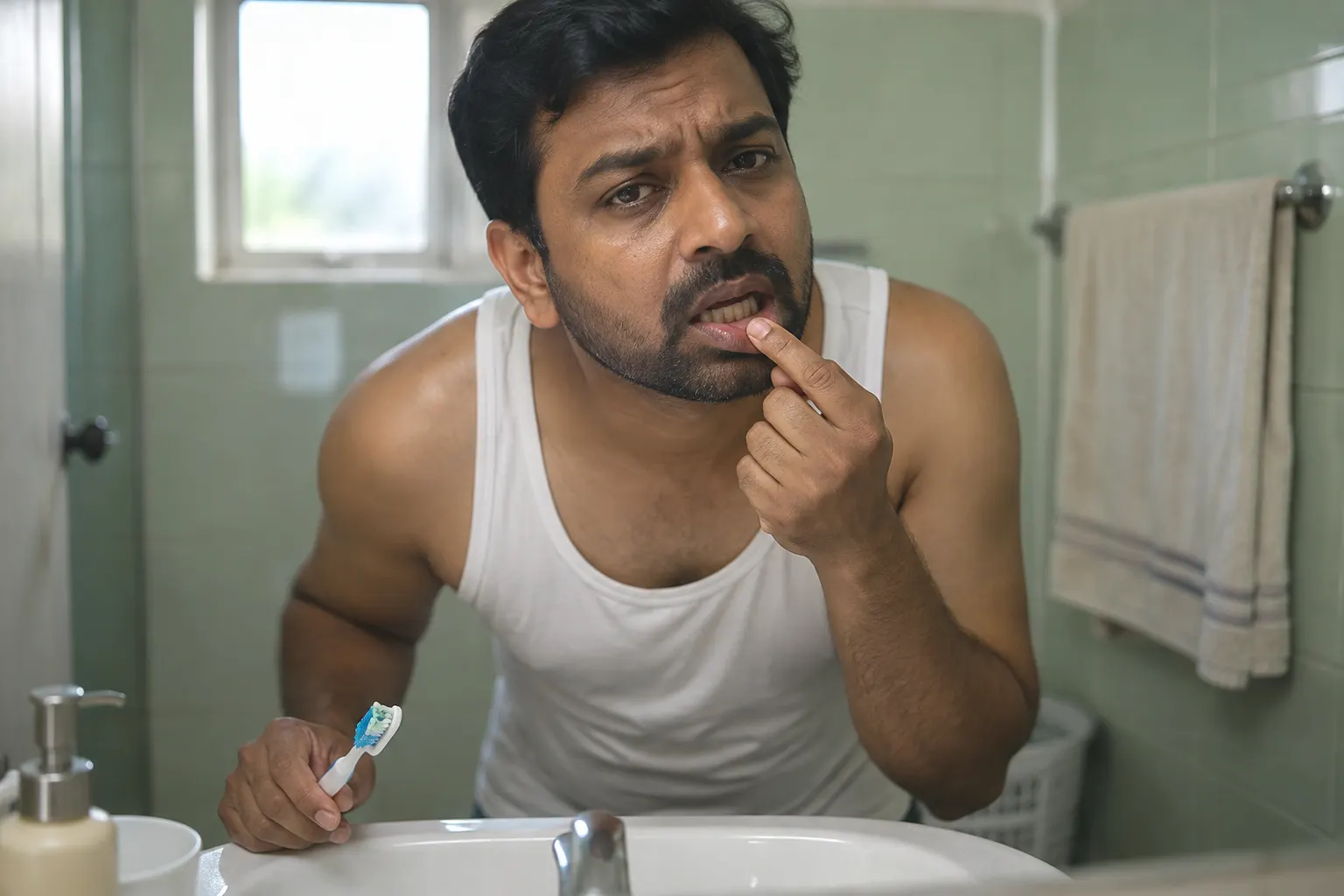
- Bad breath that doesn’t go away
- You want a fresh start before any other treatment
How it’s done
- 1
Conversation
We ask about any sensitivity, bleeding or pain, your medical history and medicines, and what you’d like from the visit.
- 2
Examination
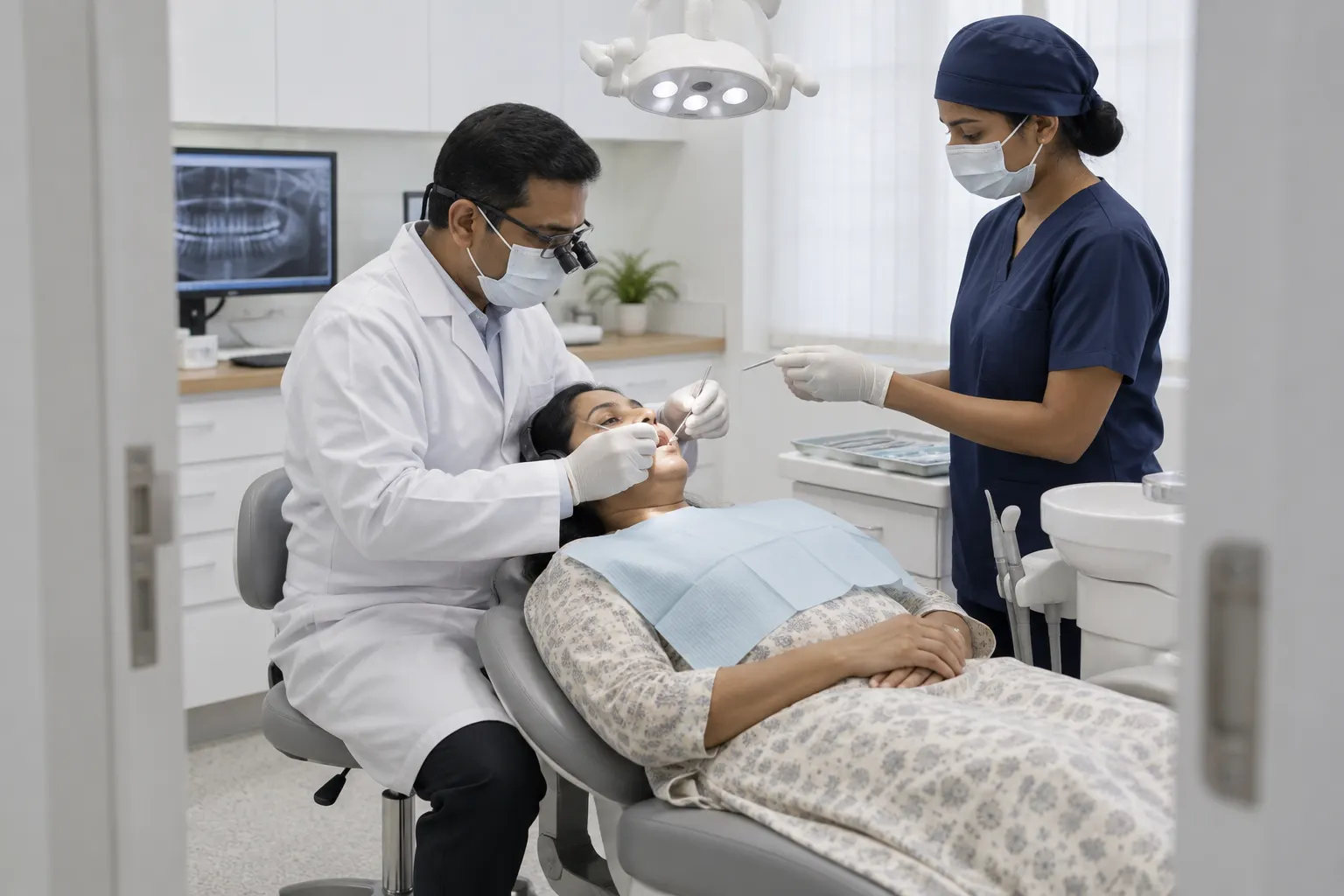
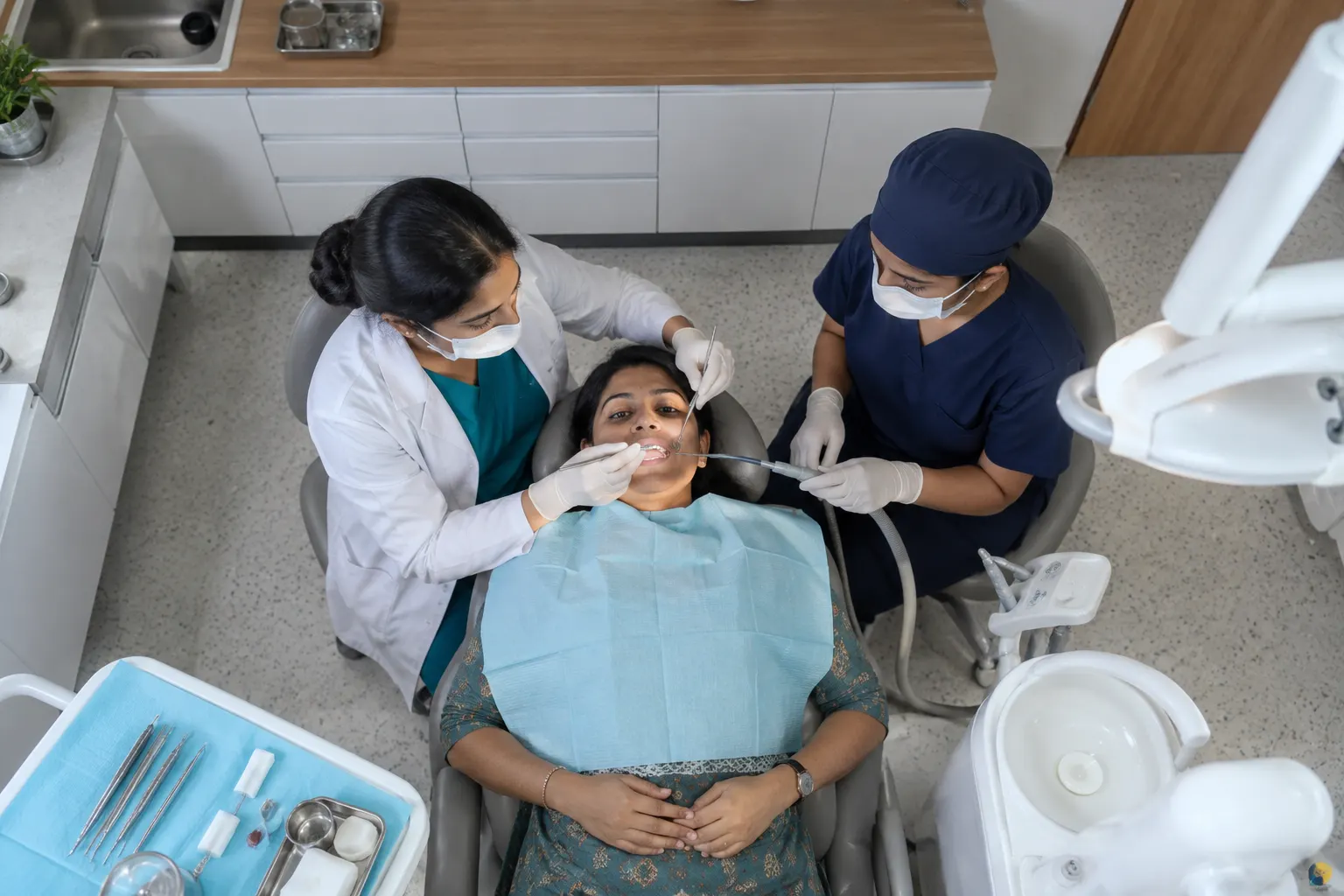
Every tooth, your gums, bite, tongue and soft tissues are checked. Where we need to see between or under teeth, we take low-dose digital X-rays (RVG) that appear on screen instantly.
- 3
Scaling & polishing
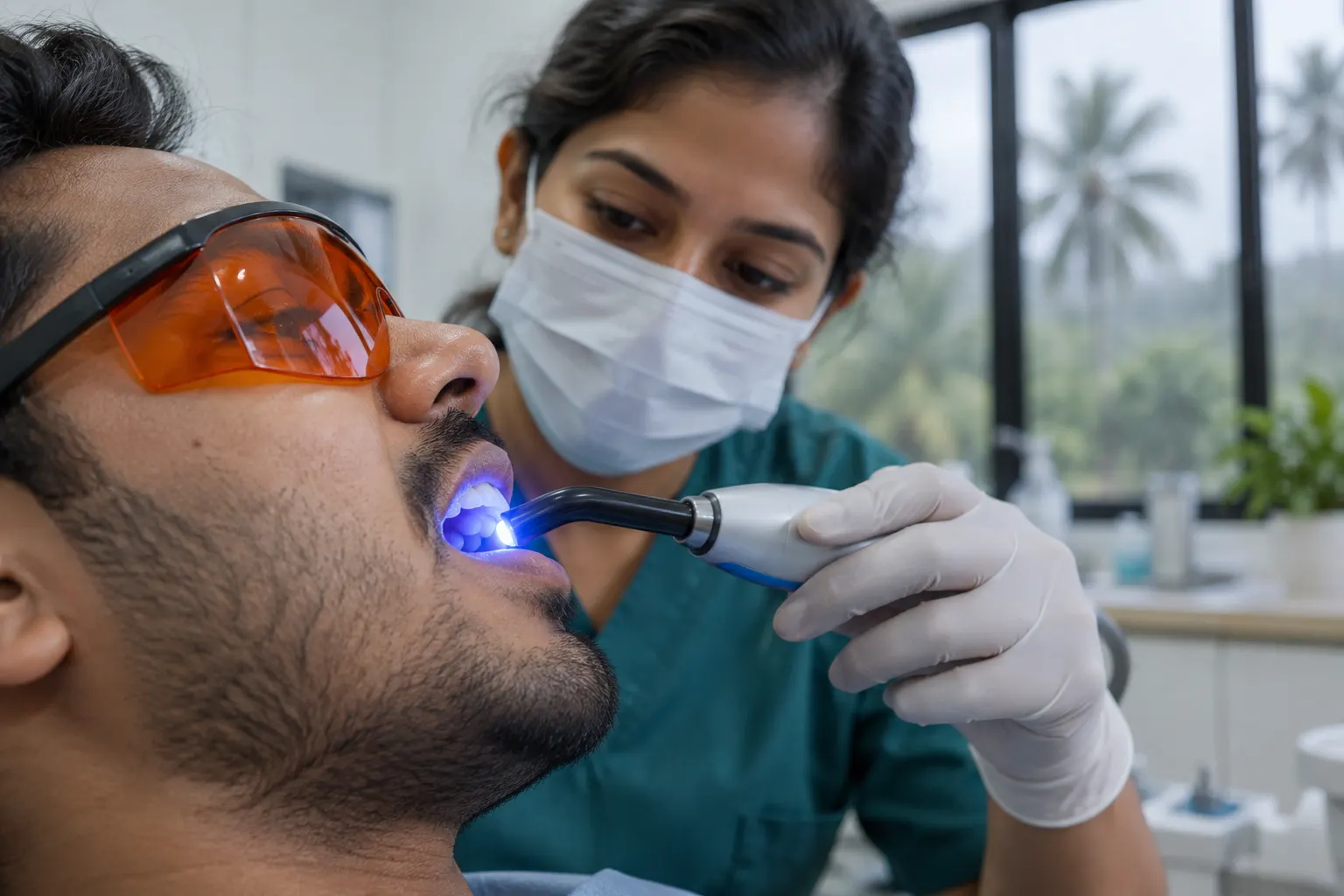
An ultrasonic scaler gently loosens tartar above and just below the gumline, followed by a polish to remove surface stains.
- 4
A clear plan
We show you what we found on screen and explain any treatment needed, in order of priority. Nothing is done without your agreement.
Afterwards
- Mild gum tenderness for a day is normal after scaling.
- Brush twice daily with a soft brush and fluoride toothpaste; clean between teeth once a day.
- Book your next check-up before you leave so it isn’t forgotten.
Questions patients ask
No. Scaling removes tartar, not enamel. Teeth can feel slightly ‘loose’ or sensitive afterwards only because hardened tartar that was bridging them has been removed and gums can now heal; this settles within days.
For most people every six months. If you have gum disease, diabetes, braces or a lot of tartar build-up we may suggest every three to four months.
Digital dental X-rays use a very small dose of radiation. We only take them when they will change a decision, and we use protective measures for every patient. Tell us if you are or might be pregnant.
This page is general information, not a diagnosis. We will advise you properly after an examination.